What Is Fast Furniture?
Fast furniture might seem like an easy way to fill your home, but it's costing us a lot more than we realize in money, health, and landfill. Here's why real wood matters.
By Lee Schindler7 min read
Over the last 20 years or so, I've noticed some disturbing trends in just about every furniture store I've been in, from high-end places that make you consider taking out a loan, to big-box retailers with prices that make you wonder how on earth they're making a profit. A trend that makes me cry out in-store, "WTF is this? I've seen sturdier cardboard boxes! What the hell is this made of? Pressboard!?"
As a woodworker, I like to think I have a pretty good eye for quality furniture. You know how it is: I can't help but lift, shake, and crawl under pieces whenever we're shopping, much to my wife's annoyance. And I bet a lot of you are the same way.
Of course, the trend I'm talking about is "fast furniture": cheap, trendy furniture that's easy to buy, quick to break, and destined for the landfill. I get the appeal. It's budget-friendly and seems like an easy way to furnish a space. But there are some serious downsides, for you as a buyer, the planet, and small businesses.
What is fast furniture?
If you're familiar with the concept of "fast fashion," you can think of "fast furniture" as the furniture equivalent: low-cost, mass-produced items that don't last. They may look great in the showroom with their clean lines and smooth shiny finishes, but in the long run, they're products you'll end up regretting having purchased as you throw them away after only a few years of use or sell them for pennies on the dollar.
I've personally bought way too much of this crap furniture over the years. It drives me crazy watching these companies churn out pieces designed to meet trends, not quality standards. Sure, it's affordable upfront, but the hidden costs in terms of quality and environmental impact are huge. Some of these materials can even release harmful chemicals into your home.
When you buy furniture made of particleboard or MDF with a veneer that begins to break down after a year or two, even from getting a little water spilled on it, that's fast furniture, and buyers are being taken advantage of.
How fast furniture impacts your wallet
Let's be real: there's a reason this stuff is cheap. The materials are subpar, the construction is basic and often done by machine, and the people making it are probably not being paid a fair wage. When you buy fast furniture, you're not just investing in something that won't last. You may also be indirectly contributing to environmentally harmful and sometimes unethical production practices.
But I get it. Most of us don't have endless money to buy the most expensive, ethically sourced products out there. It's easier and cheaper to buy fast furniture and look the other way. But let's make sure that deal is the real thing.
Let's say you buy a new living room set. You've got a coffee table (I'll stick to the wood stuff because, well, I'm a woodworker), two new side tables, and a TV hutch. Looks good, you put it all together yourself, and you even splurged a little. Let's say the whole set cost about $1,000.
Fast forward five years. The coffee table's chipped, the veneer is peeling back in several spots, there are a few bubbled-up water stains, and the kids have permanently etched their drawings into the surface (turns out that marker wasn't washable). The side tables are starting to lean, and the TV hutch hinges are loose, with a few of those little metal pins that hold the shelves… long gone. Your living room setup is looking rough.
So, you think, time for something new! Maybe you'll sell this old stuff and use that money for a fresh start. But the joke's on you. These same pieces are all over the resale market selling for next to nothing. Well, maybe we got our money's worth, you think. Did you? Did you get $900 of value? Because you're lucky if you get $100 for your $1,000 set. Or maybe you just shrug and throw it away or give it to the thrift store.
Now, repeat this process over the next few decades, and you're talking tens of thousands of dollars in this rinse-and-repeat cycle. Me? I'm way too cheap for that.
How fast furniture impacts the environment, your family, and your community
First off, let's talk about the uncomfortable reality that many materials used to make fast furniture aren't exactly safe for you or your family. Have you heard of VOCs (volatile organic compounds)? These are chemicals that easily evaporate into the air at room temperature, and they're often present in the adhesives and finishes used in low-quality wood products.
Fast furniture is typically made from pressed, glued materials that release formaldehyde and other VOCs over time. These compounds can pollute your indoor air and lead to health issues, from headaches and dizziness to respiratory irritation. Full disclosure, some woodworkers can use high-VOC products too, so you have to be vigilant when buying any new products.
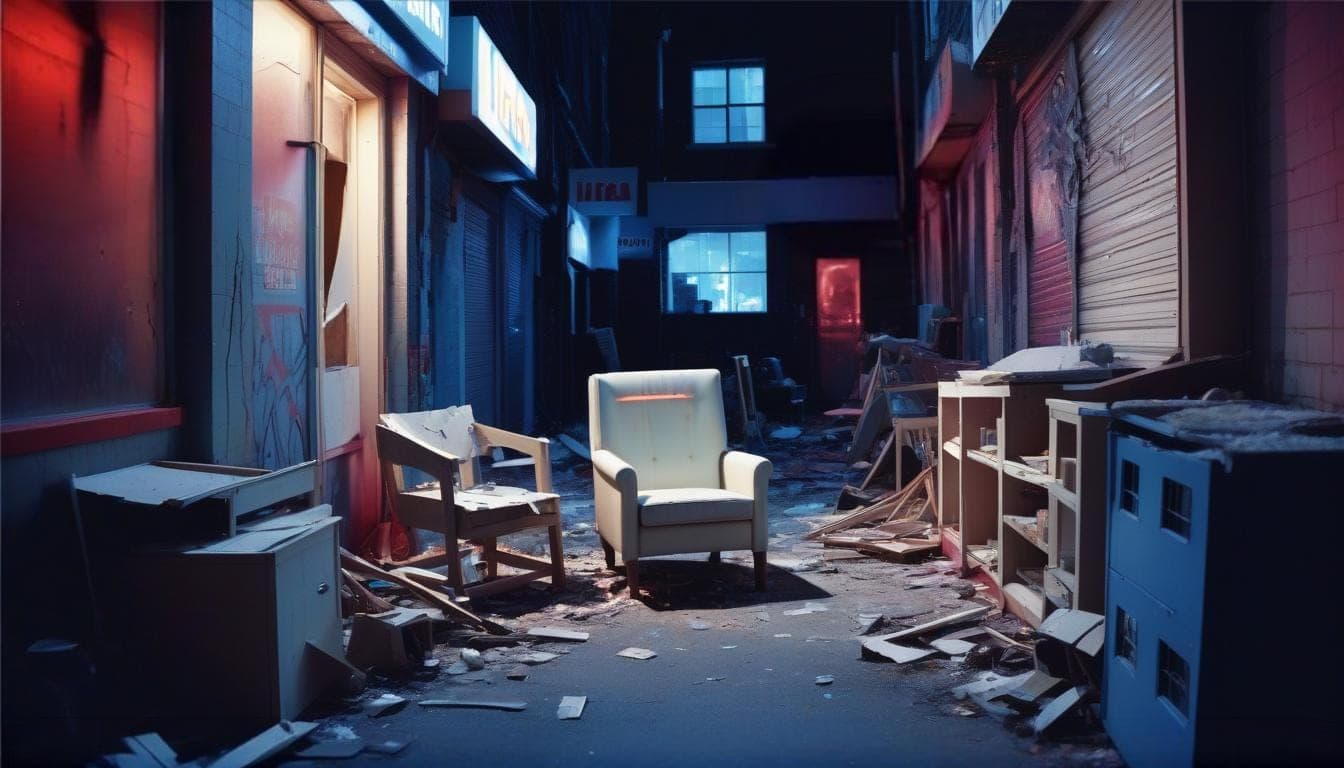
Environmentally, fast furniture is an epidemic. Landfills are packed with this stuff. If we're all buying a new bookshelf every few years and tossing it just as quickly, of course the problem is out of hand! These products can take decades, sometimes even centuries, to fully break down, all the while releasing toxins into the water supply as they decompose.
Feeling a little discouraged? Well, I'm not done yet! Let's talk about the impact of fast furniture on small businesses.
When we buy fast furniture, we're often supporting mass production overseas, rather than skilled artisans and local craftspeople. Small woodworking and furniture businesses, which take time and care to build quality pieces, struggle to compete with the rock-bottom prices and flashy marketing of big-box retailers. These small businesses often use sustainably sourced wood, durable materials, and non-toxic finishes, creating furniture built to last for decades, not just a few years.
By choosing mass-produced items, we're making it harder for these local businesses to thrive. Small shops can't compete with the low costs of mass production, so they often get pushed out, and we lose that craftsmanship and the character that handmade pieces bring to our homes. Plus, supporting small businesses keeps money in the local economy, helping families and communities instead of funnelling profits to massive corporations.
OK. Let's discuss what can be done.
Handmade, real wood furniture is better
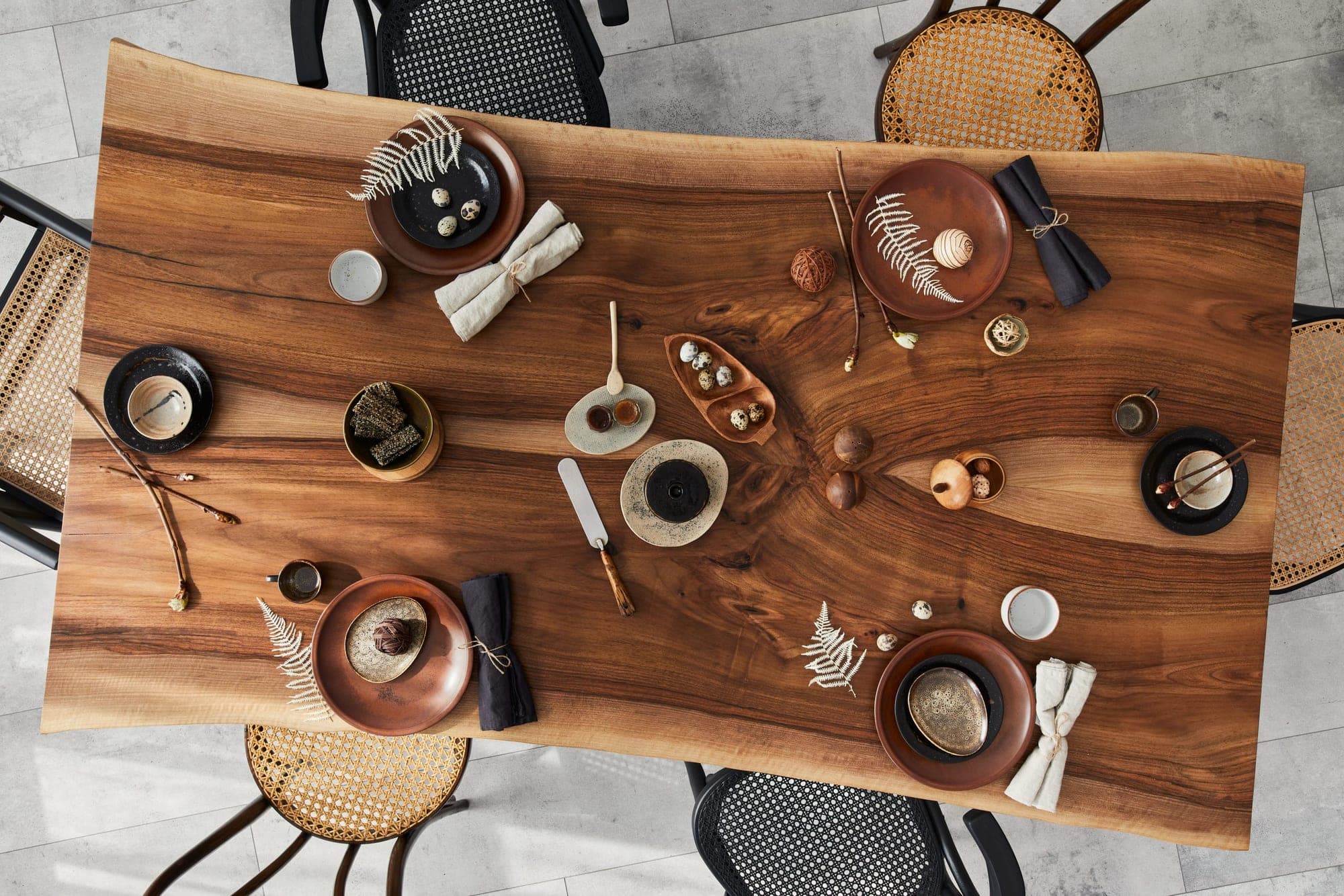
I'm not saying this just because I'm a woodworker, but there's something to be said for real, solid wood furniture. This is the kind of furniture that can take a beating, be refinished or repaired, and, if it's built right, can last for generations. Just look at what's in our museums! We're talking about pieces of wood furniture that have lasted centuries, sometimes millennia. When you buy real wood furniture, you're investing in something that will last you decades, not months. And when its time does eventually come, wood is biodegradable; it's not going to sit in a landfill releasing toxins for hundreds of years.
In my shop, I work with reclaimed wood whenever I can, often from barns or old structures. Not only does it give the wood a second life, but it also cuts down on the need to cut down more trees. And each piece tells a story. The knots, the grain, the wear: these are marks of a life, not just a piece of furniture.
Consider your choices and buy smarter
You don't have to invest in every piece of furniture right away. Start small by choosing items made with real wood and built to last. Some pieces are worth the investment, like dining tables, bookshelves, and beds. And when you can, support local woodworkers who use reclaimed or sustainably sourced wood. If you're buying new in stores, look for FSC-certified labels to make sure the wood is at least responsibly sourced.
Another great option is checking out thrift stores, garage sales, or antique shops. You don't have to buy brand new; with a little effort and a quick YouTube tutorial, you're just a few steps away from refurbishing a piece that's full of character and history.
Every time you make a purchase, you're casting a vote with your dollar. If you want a home that's healthier, more personal, and environmentally friendly, skip the fast furniture. Look for something that's built to last, something that will grow old with you and not end up in the trash a few years down the road.
Some final thoughts
Remember when people used to pass furniture down through generations? Why did we stop doing that? Because we wanted new, trendy, "cool" stuff? Yes, Grandma's china hutch is old, but it's built like a brick shit house, and you'll have it forever. Can we get back to that? Let's start thinking generationally, choosing timeless, well-crafted, solid wood pieces that become heirlooms.
Let's get back to appreciating quality made with love and skill and rejecting quickly made junk from soulless factories.
You know what I say… F*ck fast furniture.