
What You Should Know Before Buying a Custom Wood Dining Table
Essential tips for buying a custom wood table, from finding the right woodworker to budgeting, design choices, red flags and shipping. Make your custom furniture experience a good one.
By Lee Schindler8 min read
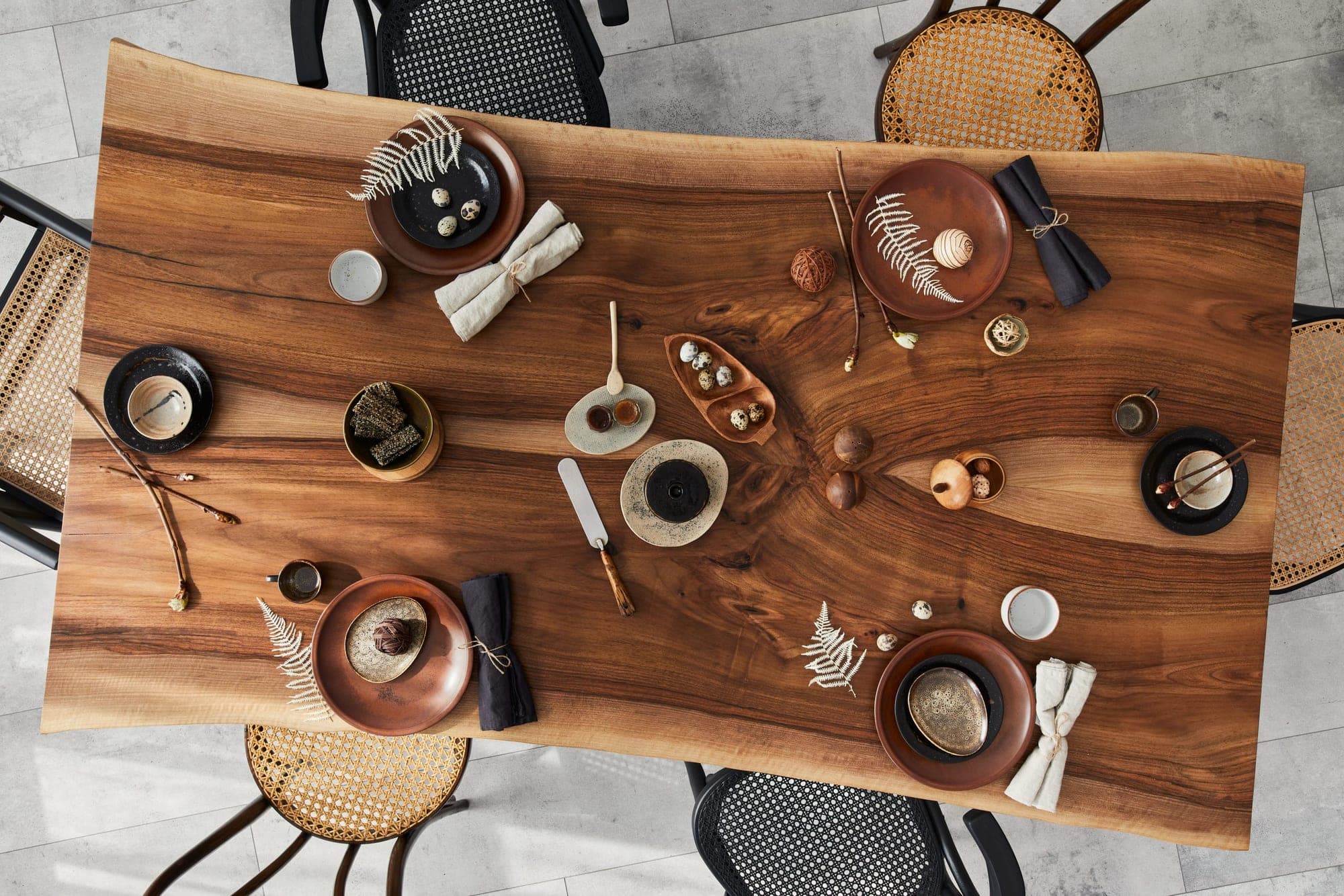
I have a friend. Let's call him "Mark." Mark wanted a custom dining room table for his new home. He and his wife searched high and low online, obsessing over the woodworker hashtag on Instagram, bookmarking websites, and dreaming of the day their new custom live-edge walnut dining table would be the centrepiece and heart of their home.
This is where the cautionary tale begins, one of woe and misery for Mark, his wife, and the woodworker they eventually hired. The entire process was a nightmare of miscommunication, frustration, and ultimately, lost money on both sides. No happy ending, no new heart of their home installed.
In a word, it was a disaster. But this didn't need to happen. With a little guidance, I can help you avoid the same misfortune that befell my well-meaning friend, Mark.
Step 1: Understand your vision before you start
Communicating your wants and needs to a woodworker will be far more challenging if you don't have a clear idea of what you want. Buying custom furniture is more than just placing an order; it's about collaborating with a skilled artisan to bring your vision to life.
Clarifying your vision: how to describe what you want
- Find your style. Magazines, Pinterest, Google Images, Instagram, and even retail furniture stores are all excellent sources of inspiration. Take photos and screenshots of what catches your eye, and narrow them down to a few pieces that resemble (or ideally match) what you want. Keep it specific. Don't overwhelm your woodworker with vague instructions like "Surprise me" or "You know best." Limit yourself to five images max, and be clear about the style you're after: "rustic," "farmhouse," or "modern."
- Functions and features. Think about any specific features you'd like, such as finishes, pull-out leaves, or drawers.
- Dimensions. Measure the space your table will occupy and be specific about the size. If you want precisely what you're paying for, communicate the dimensions clearly. Be open to adjustments based on your woodworker's expertise. Dining table dimensions, for example, may vary depending on standard practices.
- Wood species. They'll likely ask if you have a wood in mind, and you should! Oak, walnut, and maple are widely available and make excellent, durable, beautiful tables. Your craftsperson may suggest types based on their experience, but remember, this is your table, so don't leave the decision entirely to them.
- Sustainability. Many woodworkers, myself included, use responsibly sourced wood. If that's important to you, let them know.
- Grain preferences. Be clear about your preference for wood grain. Do you like to see the natural grain, or are you thinking of staining the piece to reduce the grain's visibility?
NEVER add new elements or changes after the woodworker has started. The design phase is the time for changes. Once the build begins, any design change could delay the project, increase your costs, and cause frustration on both sides!
Step 2: Finding the right woodworker
Take your time with this process. Before you start searching, answer these questions to guide your search:
- Does a local craftsperson matter to you? Are you comfortable working with someone who may not live in the same city, province, state, or country? Shipping costs can be steep, especially for large items. If you're hiring internationally, be aware of import duties and other fees.
- What's your budget? This will shape your search and expectations.
- Do you have specific restrictions or requirements? For example, do you need low-VOC finishes or prefer reclaimed wood?
Once you've clarified your preferences, start your search
- Search online. Instagram, Pinterest, Facebook, and Google are great places to see a woodworker's style and skill.
- Ask for recommendations. Friends, family, and local groups can provide valuable suggestions based on their experiences.
- Visit local craft fairs or markets. These events let you meet woodworkers, see their work up close, and gauge whether they're a good fit for your project.
- Check websites and portfolios. Look for detailed portfolios that highlight style, experience, and quality.
- Use online directories. Platforms like Houzz and Etsy can help you discover artisans who specialize in custom furniture.
Step 3: Making first contact
When you find a woodworker you're interested in, follow these steps:
- FIRST! Check their website. Some woodworkers have a custom order form. If they do, follow the instructions they provide! (Ours is right here.)
- Reaching out. If you're contacting them on social media, introduce yourself clearly. Mention which piece of their work caught your eye, or the style you have in mind. For example: "Hi, I saw your work on Instagram and I love your style! I'm interested in discussing a custom dining table in a farmhouse style."
- Prepare for a conversation and share the vision you laid out in step one. Be ready to discuss your ideas, your budget, and your timeline. Expect some back-and-forth. This is a collaborative process. Ask questions to understand their approach, and remember that a good woodworker will have questions for you too. Open communication is key.
Step 4: Spotting red flags
Remember Mark? He ignored these red flags, and things went sideways. Watch for these signs:
- The quote is too low. If something sounds too good to be true, it probably is.
- Vague estimates. If shipping costs, timelines, and additional fees are unclear or confusing, that's a red flag.
- Poor communication. If the woodworker's responses are sparse or rude, take that as a warning.
- Hesitation to share past work. If a woodworker is reluctant to show examples of their work, they may not have enough experience, or may be hiding bad reviews. Either way, you may want to move on.
- Refusal to put things in writing. Always get a full, written quote before starting any project.
Step 5: Discussing budget and negotiating price
When it comes to pricing, be realistic. Custom furniture is an investment, and while you can negotiate, don't expect to get quality craftsmanship for a bargain price. Here are some key considerations:
- Understanding pricing factors. The cost of a custom piece depends on many factors, such as the type of wood, the design complexity, and finishing techniques. Higher-end woods (like walnut) or intricate joinery will increase the price. Simpler designs or more readily available woods may keep costs down.
- Setting expectations. Custom furniture isn't just a product. It's an investment. Quality craftsmanship takes time and skill. A good piece of custom furniture is meant to last generations, and that durability is built into the price.
- Negotiating with respect. If you need to adjust your budget, do so respectfully. Craftspeople put a lot of time and effort into their work, so lowballing can feel disrespectful.
Once you're aligned on the price, ask for a formal quote along with an estimated timeline, and don't forget to ask about shipping costs!
Step 6: Shipping and delivery considerations
Shipping a custom table isn't cheap, especially for large, solid wood pieces. Plan for this cost in advance:
- Estimating shipping costs. Expect shipping to be pricey, sometimes very pricey. Discuss available options with your woodworker and be aware of any hidden costs.
- Ask about assembly. Check whether your table will come fully assembled or if some setup is required.
- Delivery and packing. Confirm the delivery timeline and make sure it fits your schedule. Some woodworkers offer expedited builds for an additional fee, so if time is a factor, ask. Finally, check how your piece will be protected during transport so it arrives safely.
Well, that about sums it up. While I've only been on the building end of a custom piece, I understand the stress and nerves that come with making a big investment like this. A custom wood table is more than just furniture. It's a piece of craftsmanship that you want to be, well, perfect. I hope this has shed some light on what the process should look like and how you can communicate your vision to get the best outcome possible. Trust me, both you and the maker want the very best result!